Enhancing Your Projects with the Balcony Flowers Icon
The Balcony Flowers Icon is a versatile and visually appealing symbol that can add a touch of elegance and nature to your projects. Whether you're working on a website, designing an infographic, or creating a logo, this icon can seamlessly integrate into various creative processes. This article will explore how the Balcony Flowers Icon can be used effectively in different stages of your projects, from initial planning to final execution.
Understanding the Balcony Flowers Icon
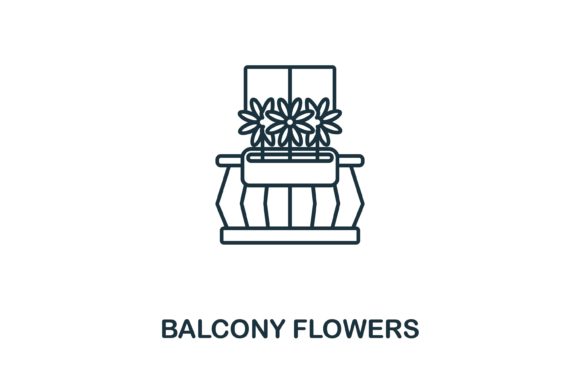
The Balcony Flowers Icon is part of a broader collection of symbols and logos designed for easy integration into various design projects. It comes in multiple file formats, including EPS, JPG, AI, and SVG, making it highly compatible with most design software. The icon features a delicate line drawing of flowers typically found on a balcony, offering a natural and serene aesthetic.
Pre-Project Planning and Preparation
Before diving into your project, consider how the Balcony Flowers Icon can fit into your overall design concept. Here are some steps to help you prepare:
- Define the Purpose: Determine why you want to use the Balcony Flowers Icon. Is it to add a natural element, enhance the visual appeal, or create a specific theme?
- Choose the Right Format: Select the file format that best suits your needs. For example, use SVG for web projects to ensure scalability without losing quality.
- Plan the Placement: Sketch out where the icon will be placed within your design. Consider its size, position, and how it interacts with other elements.
Integration During the Design Process
Once you have a clear plan, integrating the Balcony Flowers Icon into your design can be straightforward. Here are some practical tips:
- Import the Icon: Open your design software and import the chosen file format. Ensure the icon is correctly scaled and positioned.
- Edit and Customize: Use the editing tools in your software to adjust the color, size, and style of the icon to match your design. The vector format allows for easy customization.
- Test Compatibility: Check how the icon looks across different devices and screen sizes. Make sure it maintains its clarity and impact.
Post-Project Review and Optimization
After incorporating the Balcony Flowers Icon into your project, it's essential to review and optimize the final output. Here are some steps to follow:
- Review the Design: Take a step back and review the overall design. Does the icon blend well with the rest of the elements? Does it achieve the intended effect?
- Gather Feedback: Share your design with colleagues or clients to get feedback. Use their input to make any necessary adjustments.
- Finalize and Publish: Once you are satisfied with the design, finalize the project and publish it. Ensure all files are saved and organized for future reference.
Practical Examples and Use Cases
The Balcony Flowers Icon can be used in a variety of contexts. Here are a few examples:
- Website Design: Add the icon to a gardening or lifestyle blog to create a natural and inviting atmosphere.
- Infographics: Incorporate the icon into infographics about urban gardening or sustainable living to enhance the visual narrative.
- Logo Design: Use the icon as part of a logo for a florist or a botanical garden, emphasizing the connection to nature.
Conclusion
The Balcony Flowers Icon is a valuable asset for any designer looking to add a touch of nature and elegance to their projects. By carefully planning, integrating, and reviewing its use, you can ensure that the icon enhances the overall design and achieves the desired impact. Whether you're working on a website, infographic, or logo, the Balcony Flowers Icon can be a versatile and effective addition to your design toolkit.