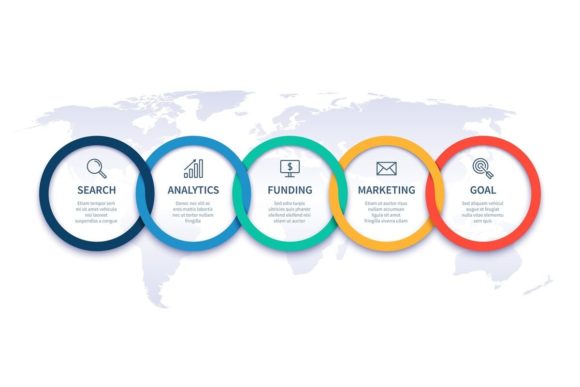
Understanding and Utilizing the Global Business Steps Chart
The Global Business Steps Chart is a comprehensive tool designed to guide businesses through the intricate process of expanding globally. This chart serves as a roadmap, providing a structured approach to planning, executing, and managing international business operations. It is particularly useful for professionals, entrepreneurs, and small business owners who are looking to enter new markets or scale their existing operations internationally.
What is the Global Business Steps Chart?
The Global Business Steps Chart is a visual representation of the key stages involved in global business expansion. It typically includes steps such as market research, strategic planning, legal and regulatory compliance, operational setup, and ongoing management. This chart is often presented in the form of an infographic, making it easy to understand and follow.
Where Does the Global Business Steps Chart Fit In?
The Global Business Steps Chart can be integrated at various points in your business journey:
- Before a Project: Use the chart to conduct thorough market research and strategic planning. This helps in identifying potential risks and opportunities, ensuring that you are well-prepared before entering a new market.
- During a Project: The chart can serve as a reference to keep track of progress and ensure that all necessary steps are being followed. It can also help in coordinating with different teams and stakeholders, maintaining consistency and efficiency.
- After a Project: Post-implementation, the chart can be used for review and analysis. It helps in evaluating the success of the project and identifying areas for improvement in future endeavors.
Interacting with Other Tools and Resources
The Global Business Steps Chart complements other tools and resources commonly used in business planning and execution. For example:
- Project Management Software: Integrate the chart with project management tools like Asana, Trello, or Jira to create detailed task lists and timelines.
- CRM Systems: Use the chart alongside CRM systems to manage customer relationships and track sales performance in new markets.
- Legal and Compliance Platforms: Refer to the chart when using legal and compliance platforms to ensure that all regulations and standards are met.
Practical Implementation Tips
To effectively use the Global Business Steps Chart, consider the following tips:
- Customize the Chart: Tailor the chart to fit your specific business needs. Use vector editing software like Adobe Illustrator to modify and add elements as required.
- Set Clear Objectives: Define clear, measurable objectives for each step in the chart. This helps in tracking progress and ensuring that goals are met.
- Engage Stakeholders: Involve key stakeholders in the planning and execution process. Regularly update them on the progress and seek their input to ensure alignment.
- Monitor and Adjust: Continuously monitor the progress and make adjustments as needed. The chart should be a living document that evolves with your business.
Workflow Examples and Observations
Here are some practical examples of how the Global Business Steps Chart can be integrated into different workflows:
- Market Entry Strategy: Use the chart to outline a detailed market entry strategy. Conduct market research, identify target segments, and develop a go-to-market plan.
- Operational Setup: Follow the chart to set up operations in a new market. This may include establishing a local presence, setting up supply chains, and hiring local staff.
- Ongoing Management: Utilize the chart to manage day-to-day operations and ensure that all processes are running smoothly. Regularly review and update the chart to reflect any changes or improvements.
Factors to Consider
When integrating the Global Business Steps Chart into your workflow, consider the following factors:
- Preparation: Ensure that you have all the necessary resources and information before starting. This includes market data, legal documents, and financial projections.
- Compatibility: Make sure that the chart is compatible with your existing tools and processes. This will help in seamless integration and avoid any disruptions.
- Usability: The chart should be user-friendly and easy to understand. Use clear and concise language, and include visual elements to enhance comprehension.
- Efficiency: The chart should help in streamlining processes and improving efficiency. Regularly review and refine the chart to eliminate any inefficiencies.
- Consistency: Maintain consistency in the application of the chart across different projects and teams. This ensures that everyone is on the same page and working towards common goals.
- Quality Control: Implement quality control measures to ensure that all steps in the chart are followed correctly. This helps in maintaining high standards and achieving desired outcomes.
- Long-Term Use: The chart should be designed for long-term use and adaptability. As your business grows and evolves, the chart should be flexible enough to accommodate changes and new challenges.
Conclusion
The Global Business Steps Chart is a valuable tool for anyone looking to expand their business globally. By providing a structured and organized approach, it helps in planning, executing, and managing international operations more effectively. Whether you are a professional, entrepreneur, or small business owner, integrating this chart into your workflow can significantly enhance your chances of success in the global marketplace.